Faucet aerator clogging in Cauvery water: a 6-month maintenance protocol for Bellandur sites
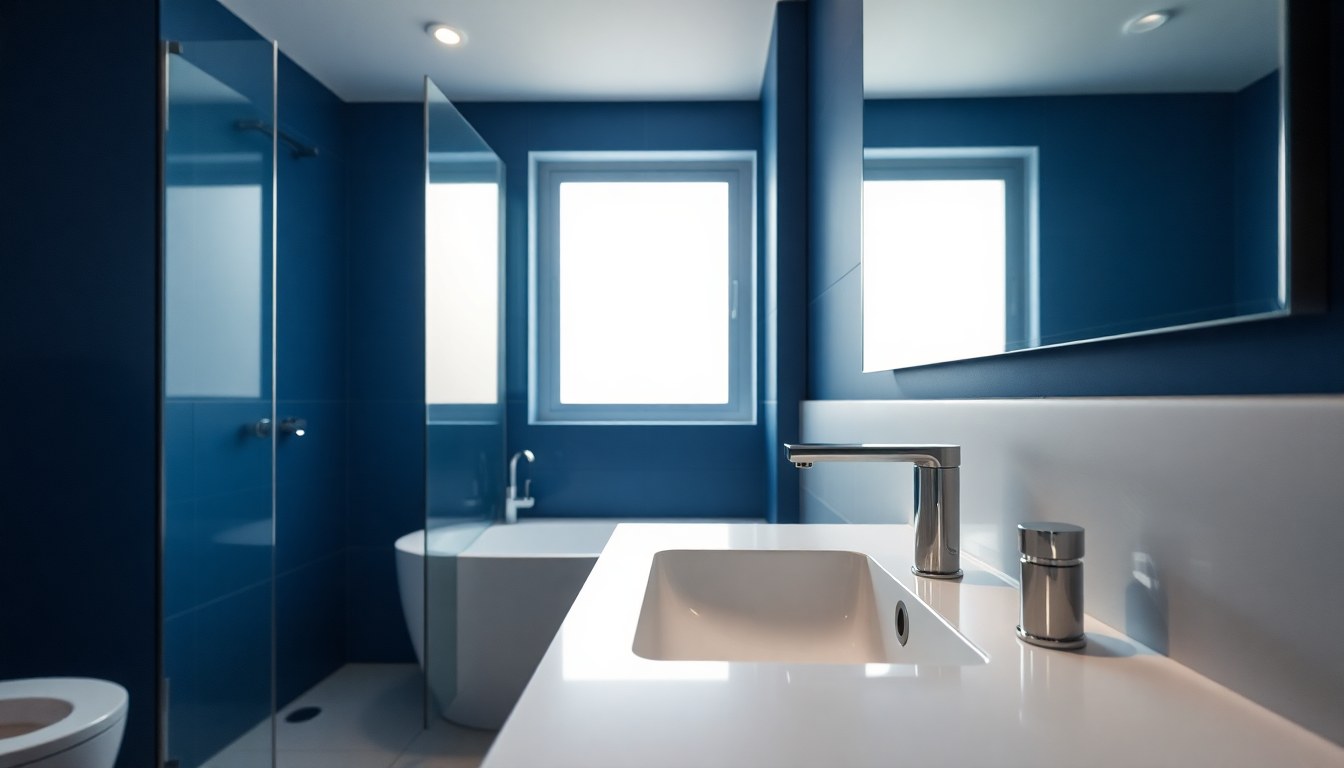
A faucet aerator installed in a Bellandur residential project will accumulate visible mineral deposits within 4 to 6 weeks of handover. Cauvery hard water, with TDS readings between 200–300 ppm in the Bangalore supply, deposits calcium carbonate and magnesium salts directly into the mesh screen. By month two, flow rate drops 15–20 percent. By month four, residents call with low-pressure complaints. This is not a product defect — it is a maintenance specification issue that architects must address in the handover brief.
Why aerator clogging happens faster in Bangalore
Cauvery water hardness is non-negotiable. Unlike softened municipal supplies in some Indian cities, Bangalore's water arrives with dissolved minerals that precipitate the moment it contacts the aerator mesh. The aerator's job is to mix air into the water stream and reduce splashing; its mesh screen is the first surface to trap mineral particles.
Temperature cycling accelerates deposition. During monsoon months (June through September), humidity and water temperature fluctuations cause mineral crystals to form faster. A faucet in an ensuite bathroom, used 8–10 times daily with hot water, will clog noticeably faster than a guest powder room fixture. Site conditions — water pressure, supply-line sediment, and local mineral concentration — vary across Bangalore micromarkets. HSR Layout, Koramangala, and Indiranagar properties often report earlier aerator buildup than Whitefield or Sarjapur Road sites, likely due to older supply infrastructure and higher sediment load.
The 6-month maintenance protocol: what to specify in handover
Include this protocol in your project's maintenance manual, site handover checklist, and resident instruction sheet. Timing matters: the first cleaning should occur at week 8, not month 6.
Month 1–2: Baseline inspection
Schedule a site walk at week 6 post-handover. Inspect all faucet aerators — kitchen, ensuite, guest powder room, utility areas. Look for white or tan discoloration on the mesh screen visible through the aerator body. If present, proceed to removal and cleaning. If none visible, schedule the next inspection at week 10.
Month 2–4: Active cleaning phase
Aerators require removal every 4 weeks during this window. Specify that the resident or facility manager should unscrew the aerator (most are hand-removable; use a small wrench if necessary), soak it in white vinegar (5% acetic acid) for 2 hours, and brush the mesh gently with a soft toothbrush. Rinse thoroughly under running water and reinstall. Do not use abrasive scrubbers or acidic cleaners stronger than household vinegar — these can corrode the internal spring and diverter valve.
Month 4–6: Frequency reduction
If the aerator remains clear after week 12, extend the cleaning interval to 6 weeks. Most residents will reach a stable state by month 5 where monthly inspection suffices. However, hot-water faucets in kitchens often require cleaning every 3–4 weeks year-round.
Specifying aerator type to reduce clogging frequency
Not all aerators perform equally under hard water. When specifying faucets for Bangalore projects, request aerators with larger mesh openings (1.5 mm or greater) and stainless-steel screens rather than brass. Stainless steel resists mineral adhesion better and is easier to clean without corrosion risk. Aerators with removable, replaceable cartridges are preferable to sealed units — if clogging becomes chronic, the cartridge can be swapped rather than replaced with an entire faucet assembly.
Specify PVD-coated brass bodies and stainless-steel internal components. PVD (physical vapor deposition) coating protects the exterior finish during cleaning and resists water spotting common in hard-water areas. Avoid chrome-plated aerators in high-use areas; chrome plating can chip during aggressive cleaning, exposing base metal to corrosion.
Documentation for architects and site teams
Create a one-page aerator maintenance sheet to accompany the RCP and handover schedule. Include:
- Faucet location (kitchen, ensuite, powder room, laundry)
- Aerator type and part number (for reordering if needed)
- Removal procedure with photos or QR code linking to a video
- Cleaning schedule: weeks 6, 10, 14, 18, and then monthly thereafter
- Contact details for facility management or plumber if removal requires tools
- Supplier contact for replacement aerators (specify the exact part to avoid fit issues)
This document protects you from handover disputes. Residents who understand why their faucet pressure drops — and how to fix it — will not file warranty claims or negative reviews attributing the issue to poor fixture quality.
Hard water treatment as a secondary specification
For premium projects in Bellandur, Sadashivanagar, or Jayanagar, consider specifying a point-of-use water softener for the kitchen and ensuite. A 5-micron sediment pre-filter followed by a salt-based softener will reduce aerator clogging by 80–90 percent. This is not mandatory — it is a value-add for clients willing to invest in maintenance infrastructure. Document the softener's service intervals (resin regeneration every 3–6 months, filter cartridge replacement annually) in the same handover brief as the aerator protocol. Softened water also reduces scale buildup on glass enclosures, shower heads, and chrome trim — a secondary benefit that architects should highlight to end clients during specification review.
Questions architects ask
Should we specify sealed, non-removable aerators to avoid resident confusion?
No. Sealed aerators clog just as fast and cannot be cleaned without replacing the entire faucet. A removable aerator with clear maintenance instructions is always preferable. The small risk of incorrect reassembly is outweighed by the cost and inconvenience of replacing a faucet at month three because the aerator is irreversibly clogged.
Is aerator clogging covered under the BIS standard for faucets?
BIS 2553 (Code of practice for plumbing systems for buildings) does not prescribe aerator maintenance intervals or performance under specific water hardness levels. However, IS 2553 assumes water quality within normal municipal parameters. Bangalore's Cauvery hardness exceeds typical benchmarks, making aerator maintenance a site-specific specification rather than a general defect. Document this in your specification notes to clarify that clogging is expected and not a warranty issue.
Can we use vinegar-based descaling tablets instead of manual cleaning?
Automatic descaling cartridges exist but are not standard in residential faucets. Manual vinegar soaking remains the most reliable method for Bangalore hard water. Tablets designed for kettle or coffee-machine descaling are not calibrated for faucet aerator geometry and may leave residue in the mesh. Stick with the 2-hour vinegar soak protocol — it is low-cost, non-toxic, and effective.
What if a resident refuses to clean the aerator and demands a replacement under warranty?
Your handover documentation is your defense. If the maintenance protocol is clearly stated in the resident instruction manual, site photos at handover show a clean aerator, and the cleaning schedule is provided, you are not liable for clogging at month four. Offer to clean or replace the aerator as a goodwill gesture, but do not absorb the cost as a warranty claim. Educate the resident that hard-water maintenance is a feature of Bangalore living, not a product defect.
Should we specify different faucets for kitchens versus bathrooms given the usage difference?
Yes, if budget allows. Kitchen faucets in Bangalore projects experience 3–4 times the flow and temperature cycling of bathroom fixtures. Specify a heavy-duty, commercial-grade aerator with stainless-steel mesh for kitchens, and a standard residential aerator for powder rooms. The cost difference is 200–400 rupees per unit but eliminates chronic clogging complaints in high-use areas. Document this distinction in the RCP and spec sheet so the site team does not substitute a single aerator type across all fixtures.
Closing: maintenance is specification
Aerator clogging in Bangalore is not a hidden defect — it is a predictable consequence of local water chemistry. By specifying the right aerator type, documenting a clear maintenance protocol, and including it in the handover brief, you convert a potential complaint into a managed, resident-owned responsibility. The protocol takes 15 minutes per faucet every 4 weeks; the cost of a replacement faucet is 8,000–15,000 rupees. Architects who build maintenance clarity into their specifications reduce callbacks, protect their reputation, and deliver projects that perform as intended.
Spec a Bathqube faucet for your next Bangalore project and request the hard-water maintenance protocol with your quotation.
