IS 2553 + IS 2095 for a residential bath: the two-page spec primer for Bangalore architects
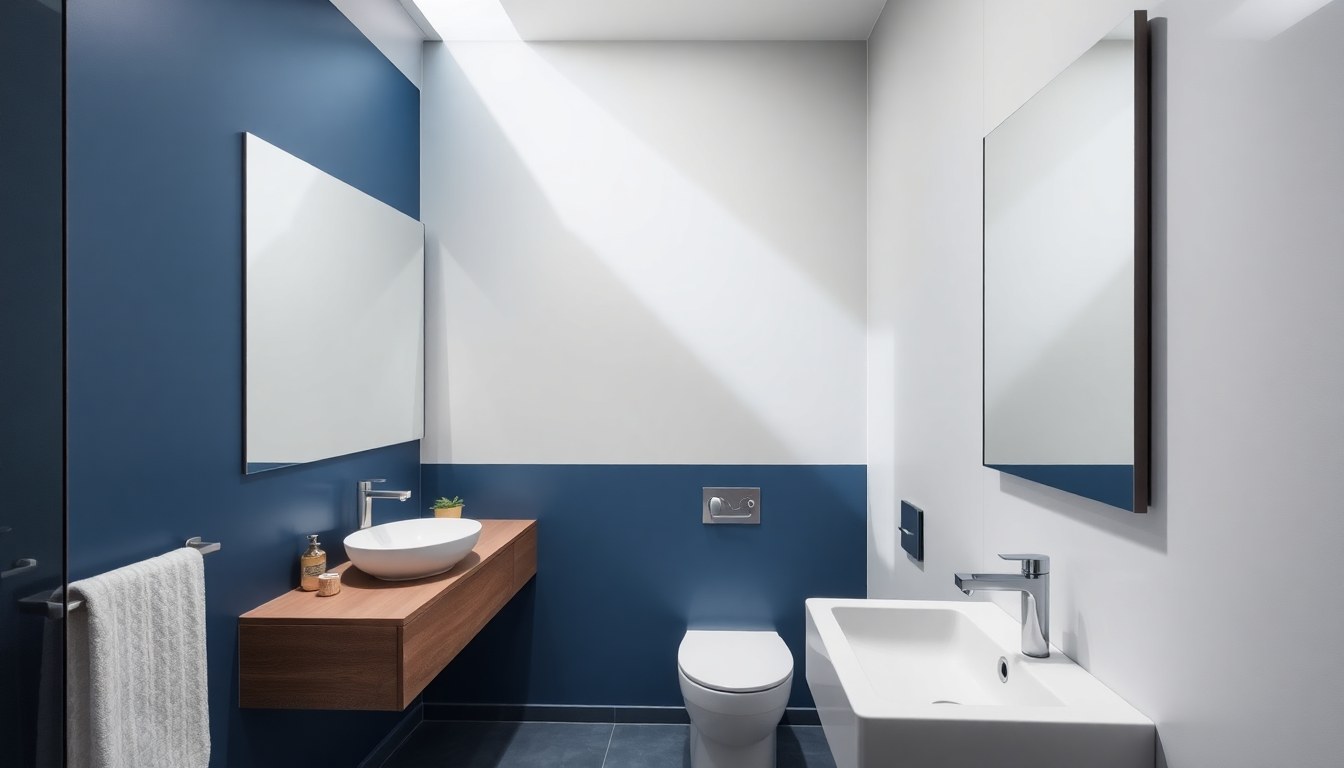
A 1200 mm × 900 mm frameless enclosure arrives on-site in Koramangala. The packing slip says "toughened glass," but the BIS mark is missing. The site supervisor accepts delivery. Three weeks later, during handover, the client's consultant asks for the IS 2553 certification. You're now chasing the vendor for paperwork that should have been stapled to the shop drawing. This happens because IS 2553 and IS 2095—the two BIS standards that govern architectural glass and chromium plating in residential bathrooms—are rarely written into the spec sheet as mandatory line items. Here's what each standard covers, when to cite them, and how to verify compliance before the punch list closes.
IS 2553: architectural safety glass — what the standard actually specifies
IS 2553 is the Bureau of Indian Standards specification for safety glass used in buildings. It covers two product types: thermally toughened glass (heat-strengthened to fracture into small, blunt fragments) and laminated glass (two or more plies bonded with an interlayer). For bathrooms, you're almost always specifying toughened glass—shower enclosures, partition walls, and backlit mirrors with 5 mm toughened substrates all fall under this standard.
The standard mandates edge-work quality, surface compression (minimum 69 MPa for toughened glass), and fragmentation performance: when broken, the glass must produce fragments smaller than 10 mm × 10 mm with no long, sharp shards. It also specifies tolerances—thickness variation within ±0.2 mm for 8 mm nominal, ±0.3 mm for 10 mm nominal. These tolerances matter when you're detailing a channel-less enclosure where the top rail clamps directly onto the glass; a 10.3 mm panel won't seat cleanly in a 10 mm slot.
When to cite IS 2553 in your spec
Write "toughened glass conforming to IS 2553" in three places: the general notes on your RCP, the material schedule for any glass partition or enclosure, and the mirror specification if you're using engineered glass rather than float. For Bangalore projects, add a note requiring the supplier to provide the BIS certification mark (CM/L number) and the test report from a NABL-accredited lab. Cauvery water's TDS sits around 200–300 ppm; hard-water staining on non-compliant glass becomes visible within six months, and you can't fix it with a surface treatment after installation.
IS 2095: electroplated coatings of chromium — the finish standard for fittings
IS 2095 governs chromium plating on brass, steel, and zamak substrates. It classifies finishes by service condition—mild, moderate, severe, and very severe—and assigns a minimum coating thickness to each. For bathroom fittings (spigots, hinges, towel bars, tap bodies), you're specifying "severe service": minimum 25 microns of total coating, with at least 0.3 microns of chromium on top. The standard also covers adhesion, corrosion resistance (neutral salt spray for 24 hours without base-metal corrosion), and appearance (no pits, blisters, or peeling within the specified service life).
Most Bangalore bathrooms run high humidity from June through September. A spigot or hinge finished to IS 2095 severe-service grade will survive that cycle without spotting. A fitting with 15 microns of coating—common in non-certified imports—will show rust bloom at the joint line within eighteen months. The standard doesn't prevent tarnish (that's a function of the top layer, chromium or PVD), but it does ensure the base metal stays sealed.
How to verify IS 2095 compliance on-site
You can't measure coating thickness with a tape measure. Ask the supplier for the plating certificate, which should list the substrate material, the plating sequence (typically copper → nickel → chromium), and the measured thickness at each layer. The certificate must reference IS 2095 and include the batch number that matches the fittings delivered to site. If you're working with a vendor who balks at producing this document, you're not working with a vendor who understands engineered bathware.
Why these two standards, and not IS 14179 or IS 15656
IS 14179 covers water-supply fittings (taps, mixers, diverters) and specifies flow rates, pressure tolerance, and mechanical endurance. IS 15656 governs sanitary ware (WCs, basins, urinals) and sets dimensional tolerances, water absorption limits, and glaze quality. Both are critical if you're spec'ing a complete bathroom, but neither addresses the glass or the metal finish—the two materials most visible to the client and most vulnerable to Bangalore's water and humidity.
A typical three-fixture bathroom in Whitefield or Sarjapur Road will have 4–6 square metres of glass (enclosure, partition, mirror) and 12–18 chromium-plated fittings (hinges, spigots, grab bars, towel rails, tap trim). If the glass isn't IS 2553 and the fittings aren't IS 2095, you've left two-thirds of the bathroom's surface area to chance. That's the gap these two standards close.
Writing IS 2553 + IS 2095 into your material schedule
In the glass line item, specify thickness (8 mm, 10 mm, 12 mm), type (clear, ultra-clear, tinted), and edge finish (polished, bevelled, seamed), then append "conforming to IS 2553, BIS-certified, with test report." For mirrors, add "5 mm toughened glass substrate conforming to IS 2553" if you're using a backlit LED mirror or any wall-mounted mirror larger than 600 mm in either dimension. The toughening prevents catastrophic failure if the mirror takes an impact during or after installation.
In the hardware and fittings schedule, write "chromium-plated brass conforming to IS 2095, severe-service grade, minimum 25-micron total coating thickness, with plating certificate." If you're using PVD-coated fittings (brushed gold, matte black, rose gold), the base plating still needs to meet IS 2095 before the PVD layer goes on. PVD is a vapour-deposition finish, typically 2–5 microns thick; it adds colour and scratch resistance but doesn't replace the corrosion barrier that IS 2095 provides.
Tolerance and as-built dimensions
IS 2553 allows ±0.2 mm thickness variation on 8 mm glass and ±0.3 mm on 10 mm glass. That tolerance stacks when you're installing a three-panel enclosure: if each panel measures 10.3 mm and your channel is milled for 10 mm nominal, you'll need to shim or re-mill the channel. Call out "10 mm ±0.2 mm" in your shop drawing and make it the supplier's responsibility to hold that band. For fittings, IS 2095 doesn't specify dimensional tolerance (that's covered in the casting or machining spec), but it does require uniform coating thickness across all surfaces, including recessed areas and internal bores. A spigot with 25 microns on the face and 10 microns in the bore recess will corrode from the inside.
Common site issues and how the standards help you resolve them
Issue one: the glass arrives without a BIS mark. IS 2553 requires every piece of toughened glass to carry a permanent mark indicating the manufacturer, the standard (IS 2553), and the certification number. If the mark is missing, the glass is non-compliant, full stop. Reject the delivery and request compliant material. Issue two: the hinges show surface rust three months after handover. Pull the plating certificate. If the coating thickness is below 25 microns or the cert doesn't reference IS 2095, the defect is the supplier's liability. Issue three: the mirror delaminates at the edge. If the substrate wasn't toughened to IS 2553, moisture ingress through the edge seal will lift the silver layer. A compliant mirror uses toughened glass, which has a denser edge structure and better moisture resistance than annealed float.
How Bathqube mirrors meet IS 2553 — and what that means for your spec
Every Bathqube mirror uses a 5 mm toughened-glass substrate conforming to IS 2553. The glass is edge-polished to remove micro-cracks (which would propagate under thermal stress), then silver-coated and sealed with a copper and double-layer protective paint. The toughening step raises the surface compression to 90+ MPa, well above the 69 MPa minimum, and ensures that if the mirror does break—say, during a bathroom renovation five years from now—it fractures into small, blunt cubes rather than long shards. For decorative mirrors in powder rooms or guest baths, where the mirror might be the only glass element in the space, specifying IS 2553 compliance gives you a single, verifiable safety standard that's recognised across Bangalore's building-approval process.
Questions architects ask
Can I specify IS 2553 for a mirror that's only 450 mm × 600 mm?
Yes. IS 2553 applies to any architectural glass, regardless of size. Smaller mirrors are less likely to shatter from impact, but toughening still improves edge strength and moisture resistance. If the mirror is wall-mounted (not recessed), toughened glass also reduces the risk of catastrophic failure if the mounting fails.
Does IS 2095 cover PVD finishes, or only chromium?
IS 2095 covers electroplated chromium. PVD (physical vapour deposition) is a separate process and isn't governed by IS 2095. However, the base plating under a PVD finish should still meet IS 2095 severe-service grade to provide corrosion protection. The PVD layer adds colour and scratch resistance but is too thin (2–5 microns) to act as a standalone corrosion barrier.
How do I verify that the glass delivered to site actually meets IS 2553?
Check for the permanent BIS mark on each piece of glass. The mark includes the manufacturer's name or code, the standard number (IS 2553), and the CM/L certification number. Request a copy of the BIS certificate and the test report from a NABL-accredited lab. If the supplier can't produce both documents, the glass is non-compliant.
What's the consequence of using non-IS-2095 fittings in a Bangalore bathroom?
Fittings with inadequate plating thickness (below 25 microns) will corrode when exposed to Cauvery's hard water and the city's monsoon humidity. Expect rust bloom at the joint line, pitting on exposed surfaces, and adhesion failure (peeling) within 18–24 months. Once corrosion starts, you can't arrest it with a surface treatment; the fitting has to be replaced.
If I'm using frameless glass, does IS 2553 still apply to the enclosure panels?
Absolutely. Frameless enclosures rely entirely on the glass's structural integrity. IS 2553 ensures the glass is toughened to the correct compression, edge-finished to prevent crack propagation, and capable of withstanding point loads at the hinge and spigot mounts. A frameless enclosure built with non-compliant glass is a liability during handover and a safety risk throughout the building's life.
Spec a Bathqube enclosure or mirror with IS 2553 certification already in place—request a configurator quote or download the technical catalogue at bathqube.com.

