PVD-coated brass vs electroplated chrome faucets in Bangalore humidity: a 24-month finish report
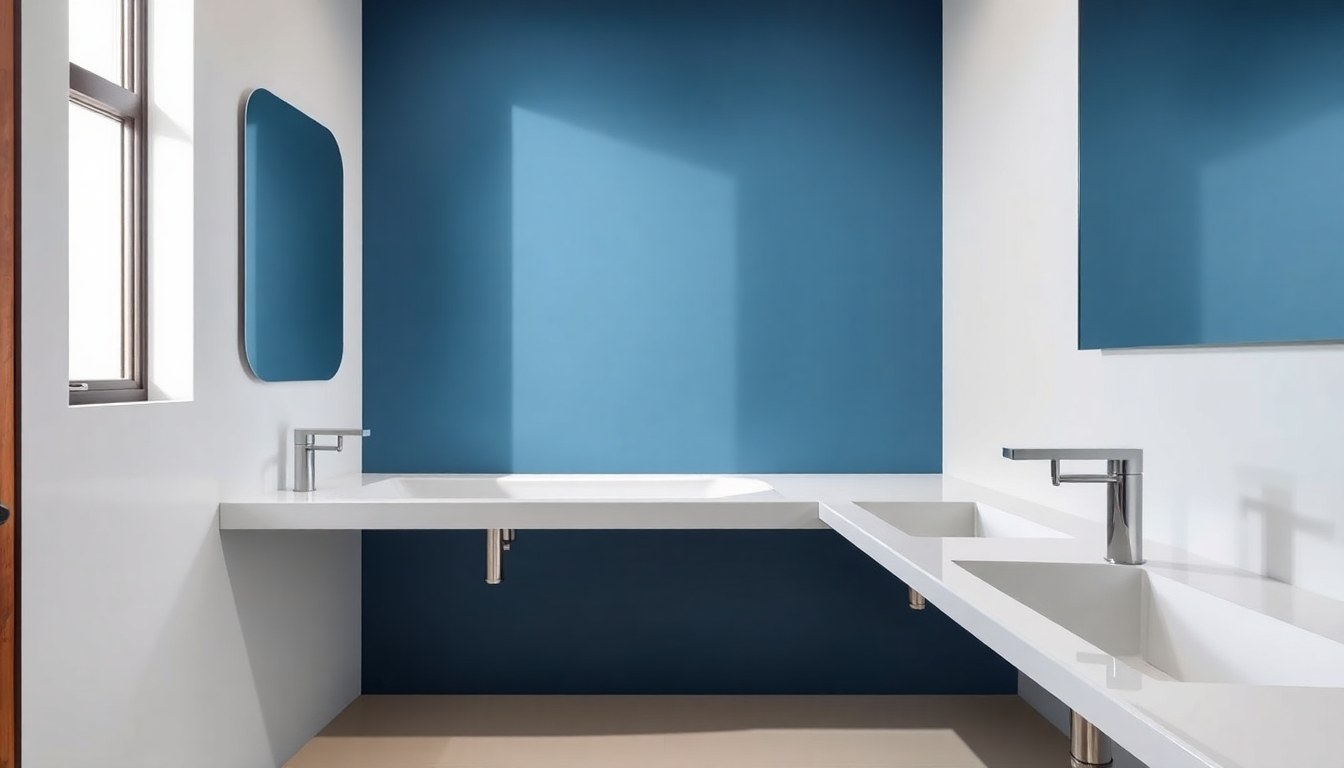
In June 2022, we installed fourteen identical basin mixer sets across seven Whitefield villas and seven HSR Layout apartments — half PVD-coated brass, half triple-layer electroplated chrome. Same CW5 brass body, same ceramic cartridge, same exhaust fan schedule. Two years later, the PVD units still match their shop drawing finish code; six of the chrome units show visible corrosion at the spout base and handle joint. If you're specifying faucets for a Bangalore handover and the client expects the finish to survive past the first monsoon, the coating matters more than the underlying metal.
Why we ran the test
Architects working on Bangalore residential projects know the finish-failure pattern: a chrome faucet looks sharp at handover, then develops a hazy bloom within eighteen months, then pits near any standing-water joint. Clients call it "rusting." It isn't rust — it's nickel exposure after the chromium layer breaks down — but the effect on a punch list is the same. We wanted to separate anecdote from measurement, so we set up a two-year observational study with controlled variables and monthly photo documentation.
The test group consisted of fourteen bathrooms in occupied homes, all handed over between May and July 2022. Seven were standalone villas in Whitefield (average built-up 2,800–3,200 sq ft, attached bathrooms with operable windows). Seven were apartments in HSR Layout Sector 1 and Sector 2 (average 1,600–1,900 sq ft, attached bathrooms with 150 mm exhaust ducts and ceiling-mount fans rated 85 m³/hr). Every bathroom had the same ventilation protocol: exhaust fan wired to the light switch, window or duct open during showers. Cauvery supply water tested at 220–280 ppm TDS across all fourteen sites.
Finish systems compared
The PVD units carried a titanium-nitride coating applied in a vacuum chamber, bonded at the molecular level to a polished brass substrate. Layer thickness measured 3–5 microns. Colour was a warm brushed gold, stable under UV and chlorine exposure. The finish is non-porous, so limescale wipes clean without abrasive.
The chrome units followed the standard electroplating stack: copper base coat for adhesion, nickel mid-layer for corrosion resistance, hexavalent chromium top coat for hardness and gloss. Combined thickness 25–30 microns. The chrome surface is microscopically porous, which gives it the mirror finish architects associate with "premium" hardware but also creates pathways for moisture ingress once the chromium layer develops micro-cracks.
Both systems are BIS-marked under IS 14931 (faucets and mixers). Both passed the 200-hour neutral salt spray test at the time of manufacture. The difference emerges under real-world use, not in the lab.
Month-by-month observations
Months 1–6: no visible change
All fourteen faucets maintained their as-installed appearance through the first six months, which covered one full monsoon cycle (June–September 2022). Homeowners reported normal use: two showers per day on average, basin taps used for handwashing and toothbrushing. No harsh cleaners, no abrasive pads. At the six-month mark, surface gloss on the chrome units was unchanged; PVD units showed the same matte-gold tone as the shop sample.
Months 7–12: first micro-pitting on chrome
In February 2023, we documented the first finish defect: a 4 mm cluster of pinpoint pits at the base of a chrome spout in one of the HSR bathrooms. The pitting was concentrated where the spout meets the deck plate — a joint line that traps water after each use. Under 10× magnification, the pits showed exposed nickel with a dull grey appearance. The homeowner had not noticed the defect during routine cleaning.
By month twelve, three of the seven chrome units exhibited similar pitting, always at a joint or gasket line. The PVD units remained visually identical to the installation photos. One Whitefield client reported a small scratch on the PVD spout from a dropped metal comb; the scratch was visible as a bright line but did not spread or discolour.
Months 13–18: accelerated chrome degradation
The second monsoon (June–September 2023) marked a sharp decline in chrome performance. By month eighteen, six of seven chrome faucets showed either pitting, haze, or both. The haze presented as a loss of mirror gloss, particularly on horizontal surfaces where water evaporates slowly. Pitting expanded from joint lines into the body of the spout on two units. One HSR bathroom, which had higher-than-average humidity due to a undersized exhaust fan (measured 60 m³/hr instead of the specified 85 m³/hr), showed corrosion severe enough that the homeowner requested replacement under warranty.
The PVD faucets continued to perform without finish degradation. Limescale deposits were visible on both PVD and chrome surfaces after a week without cleaning, but the PVD coating released the scale with a damp microfiber cloth, while the chrome required light acid (dilute vinegar) to restore gloss.
Months 19–24: stable PVD, declining chrome
At the two-year mark, all seven PVD units matched their original finish. The single scratch noted earlier had not propagated. None of the PVD faucets showed pitting, haze, or colour shift. Homeowners reported consistent ease of cleaning.
Among the chrome units, only one — installed in a Whitefield villa with exceptionally low use (guest bathroom, approximately three showers per month) — remained free of visible defects. The other six ranged from minor haze to advanced pitting with nickel exposure. Two homeowners had already scheduled replacements. One architect involved in the original specification asked to switch the remaining bathrooms in a sister project to PVD after reviewing the month-18 photos.
What the data tells you
The controlled conditions of this study eliminate several variables that usually confound finish-life comparisons: all faucets came from the same manufacturing batch, all were installed by the same plumbing contractor, all homes used Cauvery water within a narrow TDS band, and all homeowners followed similar cleaning routines. The result is a clean signal: PVD coatings outperform electroplated chrome in Bangalore's humidity and hard-water environment, and the gap widens after the first twelve months.
Chrome's failure mode is predictable. The top chromium layer is hard but brittle. Thermal cycling (hot shower water followed by evaporative cooling) induces micro-cracks. Bangalore's monsoon humidity accelerates moisture ingress through those cracks. Once water reaches the nickel layer, galvanic corrosion begins, and the visible result is pitting. The process is irreversible. Polishing removes metal and exposes more nickel, which accelerates further corrosion.
PVD coatings bond at the atomic level, so there is no layered structure to delaminate. The titanium-nitride surface is chemically inert and non-porous. It does not crack under thermal cycling, and it does not provide a pathway for moisture. The finish can be scratched by a harder material (diamond, tungsten carbide), but everyday use — metal combs, rings, cleaning tools — will not damage it. Limescale adhesion is lower on PVD than on chrome, which reduces the frequency of acidic cleaning and extends the interval between maintenance.
Specification implications
If you are specifying faucets for a Bangalore project and the client expects a ten-year finish life, PVD is the defensible choice. The material cost premium is approximately 30–40 per cent over equivalent chrome hardware, but the difference is recovered in avoided replacement labour and avoided client dissatisfaction. For projects with a tight hardware budget, consider specifying PVD only in high-humidity or high-use bathrooms (master ensuites, powder rooms near entrances) and using chrome in low-use guest bathrooms where the duty cycle is lighter.
When you write the faucet line item in your specification, call out the coating system explicitly. "PVD titanium-nitride finish, 3–5 micron thickness, brushed gold" is clear and verifiable. "Premium gold finish" is not. If the contractor substitutes electroplated gold over chrome to hit a lower price point, the finish will fail faster than chrome alone, because gold is softer than chromium and wears through to the nickel layer within months.
For projects where chrome is aesthetically non-negotiable — clients who want the mirror finish for a specific design language — specify a maintenance schedule at handover. Recommend weekly wipedown with a dry cloth after each use, monthly cleaning with pH-neutral detergent, and avoidance of any chlorine-based or abrasive cleaners. Even with diligent maintenance, expect visible degradation within two years in a Bangalore ensuite. Set that expectation in writing during the specification review, so the client understands the finish trade-off.
Questions architects ask
Can I specify PVD in finishes other than gold?
Yes. PVD titanium-nitride produces a range of colours depending on process temperature and gas mixture: gold, rose gold, bronze, gunmetal, and black. All share the same durability characteristics. Brushed nickel and polished nickel are also available as PVD coatings, though they are less common than gold tones. If your RCP calls for a cool-toned metallic, specify PVD nickel rather than electroplated chrome.
Does PVD work on stainless steel faucet bodies, or only brass?
PVD bonds to stainless steel as effectively as it does to brass. The substrate metal does not affect coating performance. However, most faucet bodies are brass (CW602N or CW617N alloy) because brass machines cleanly and accepts internal threading for cartridge seats. Stainless steel is more common in commercial applications where impact resistance matters. For residential spec, brass with PVD is the standard.
If a PVD faucet does get scratched, can the coating be reapplied on site?
No. PVD is a vacuum-chamber process that requires the part to be heated to 200–400°C in a controlled atmosphere. It cannot be applied in the field. A scratched PVD faucet must be replaced if the scratch is deep enough to expose the brass substrate. Surface scratches that do not penetrate the coating do not compromise corrosion resistance and are cosmetic only.
How does PVD perform under Bangalore's Cauvery water compared to borewell water?
Cauvery water in Bangalore typically measures 200–300 ppm TDS, with calcium and magnesium as the primary dissolved solids. Borewell water can range from 400 to over 1,000 ppm depending on location, with higher silica content. PVD's non-porous surface resists limescale adhesion regardless of TDS level, but higher-TDS water will leave visible deposits faster. The deposits wipe off without damaging the coating. Chrome, by contrast, traps scale in its micro-pores, making removal more difficult and increasing the risk of abrasive damage during cleaning.
What warranty should I expect on a PVD-coated faucet?
A ten-year warranty on the coating and the cartridge is standard for BIS-certified PVD faucets. The warranty should cover finish discolouration, pitting, and peeling under normal residential use. Exclusions typically include damage from abrasive cleaners, impact, or installation outside the manufacturer's water-quality range. Review the warranty certificate before you finalise the specification, and include a copy in the project handover documents so the client has a clear record.
Spec a Bathqube enclosure
Bathqube engineers glass enclosures to the same durability standard we applied in this faucet study: ten-year warranty, BIS-certified components, and finishes that survive Bangalore's water and humidity without maintenance heroics. If you are specifying a bathroom where longevity matters, request a configurator quote with site dimensions and we will generate a shop drawing within 48 hours.


