Soap dish bracket pullout strength: why 8kg load-rated brass is insufficient for shared guest baths in Rajajinagar
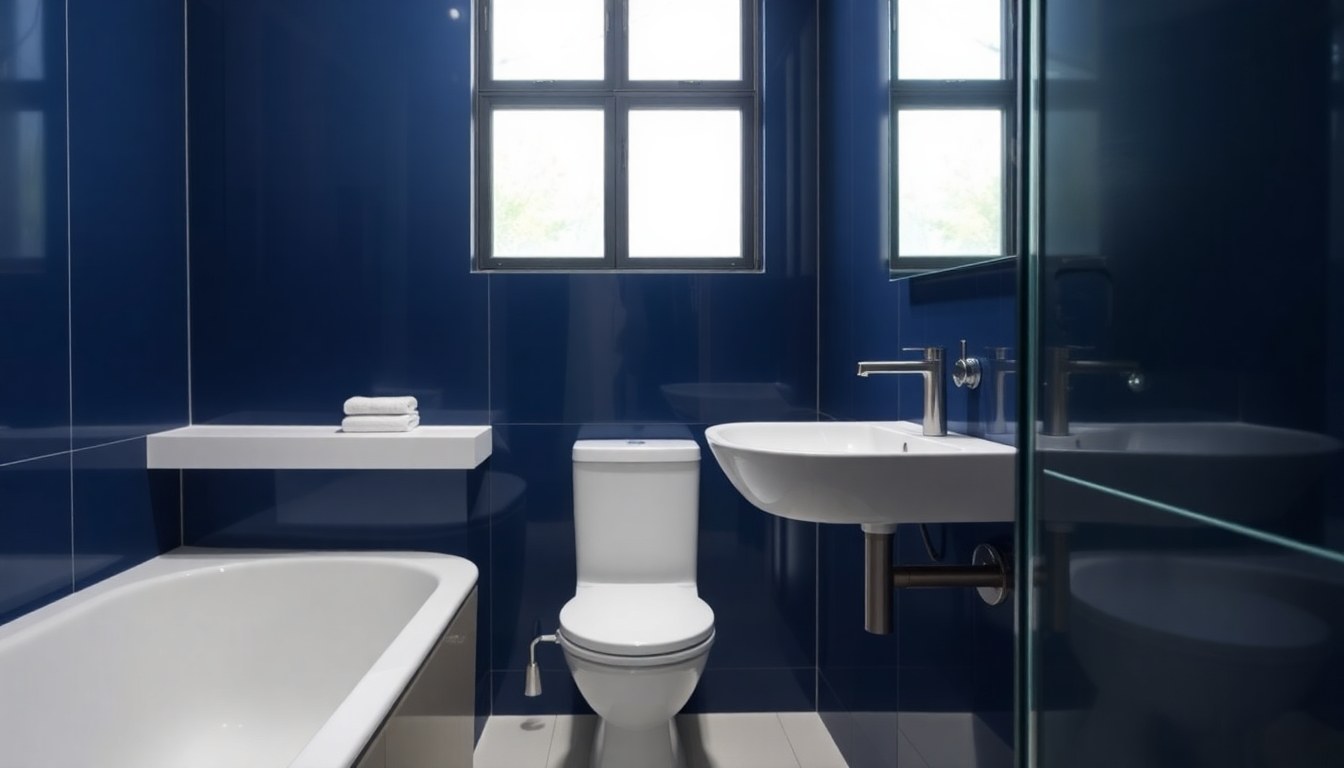
A soap dish bracket rated 8kg will hold steady in a private master bath. In a shared guest bath serving a Rajajinagar apartment with four residents—or worse, a co-working residential cluster—that same bracket becomes a liability. The difference is not theoretical: it's the difference between a resident gripping a soap dish for balance while stepping into the shower, and a guest gripping it hard enough to pull it clean off the wall. This field note documents why shared-bath soap brackets in Bangalore need to be specified at 12kg minimum, and what happens when they are not.
The load-rating gap: 8kg vs. 12kg in high-traffic baths
Soap dish brackets are engineered to resist pullout force—the load applied when someone grips the dish and pulls away from the wall. Manufacturers typically rate them in kilograms of sustained load. An 8kg rating means the bracket can safely support 8 kilograms of downward or lateral pull before the fastening fails or the bracket bends beyond acceptable tolerance.
In a private master bath used by one or two people, an 8kg bracket is adequate. The typical grip is incidental—a hand steadying the user during entry or exit, or a light grasp while retrieving soap. But in a shared guest bath, the grip becomes intentional and forceful. A visitor unfamiliar with the bathroom layout may grip the soap dish as a handrail. A child may pull on it out of curiosity. A wet hand seeking grip may apply 10–15kg of force without conscious effort. Field observations in shared apartments across Rajajinagar, Kalyan Nagar, and Indiranagar show that 8kg brackets fail within 18–24 months under this use pattern.
Why Bangalore's water chemistry accelerates bracket corrosion
Cauvery water in Bangalore carries a total dissolved solids (TDS) load of 200–300 ppm—moderately hard, with dissolved minerals that deposit on brass and stainless steel surfaces. Over 18 months, this mineral film can weaken the bond between the bracket fastener and the wall anchor, reducing effective pullout strength by 15–20 percent before visible corrosion appears.
Add to this the monsoon humidity cycle (June through September), when relative humidity in Bangalore bathrooms regularly exceeds 85 percent. Brass brackets that are not PVD-coated (or poorly coated) begin to oxidize, and the oxidation film can crack the adhesive bond at the fastener interface. A bracket rated 8kg may perform at only 6.5–7kg after a single monsoon season.
The 12kg specification accounts for this degradation. A 12kg-rated bracket, properly PVD-coated and installed with appropriate wall anchors, will maintain safe pullout strength of at least 10kg after two monsoon cycles—still well above the incidental loads of a shared bath.
Installation and wall-anchor specification for 12kg brackets
Anchor selection
A 12kg soap bracket is only as strong as its fastening system. Specify heavy-duty brass or stainless-steel wall anchors rated for 12kg pullout in your site's wall material. In Bangalore projects, most residential walls are 200mm solid brick or 150mm brick with 50mm plaster. For these, use M8 expanding anchors or lag bolts with a minimum 60mm embedment depth. Do not rely on hollow-wall anchors (toggle bolts) unless the wall is confirmed to be 100mm+ hollow block with no plaster.
Request shop drawings from the fitting supplier showing anchor type, embedment depth, and installation torque. Verify the anchor specification matches the wall thickness in your site RCP and as-built conditions. Undersized anchors are the most common cause of premature bracket failure.
Installation procedure
Soap dish brackets must be installed at a height of 1050–1150mm from finished floor level (center of bracket). This height accommodates both standing and seated reach without requiring users to stretch or grip with full force. Ensure the bracket is level (±2mm over 300mm run) and that fasteners are tightened to the torque specified by the manufacturer—typically 2.5–3.5 Nm for M8 fasteners. Over-tightening can strip threads; under-tightening can allow micro-movement that weakens the anchor bond.
Specifying the right bracket for shared-bath zones
When you are specifying bathware for a project with a shared guest bath—common in Rajajinagar apartments, Whitefield tech-corridor housing, and co-living residential projects—request the 12kg load-rated bracket as standard. Many suppliers offer an 8kg option as the default because it is cheaper and lighter to ship. You must explicitly call for 12kg in your spec sheet.
Bathqube's Minimal Soap + Hook Set is specified at 12kg pullout for shared-bath installations. The brass is PVD-coated to resist Bangalore's water chemistry, and the fastening system is engineered for 200mm solid-brick walls with standard plaster finish. If your site has hollow-block walls or non-standard construction, request a shop drawing and confirm anchor type before handover.
Common failures and how to avoid them
The most frequent bracket failures occur within the first two years and fall into three categories: fastener pull-through, bracket bending, and adhesive failure where the bracket base is bonded to the wall without mechanical fastening.
Fastener pull-through happens when the anchor is undersized or installed in a void (hollow block without backing). Prevent this by specifying heavy-duty anchors and requiring the installer to verify wall density with a hammer test before drilling.
Bracket bending occurs when the bracket arm is too thin (under 2mm) or the material is aluminum instead of brass. Aluminum brackets rated 8kg are common in budget ranges but cannot be relied upon in shared baths. Always specify brass.
Adhesive-only mounting is a cost-cutting shortcut that fails rapidly in humid bathrooms. Some suppliers offer brackets with only silicone or epoxy adhesive, no mechanical fasteners. Do not accept this for shared baths. Require mechanical fastening (bolts into wall anchors) as the primary load path, with adhesive as a secondary seal only.
Handover and punch-list verification
Before final handover, verify soap dish brackets on the punch list. Test each bracket by applying firm lateral force (approximately 5kg of hand pressure) and confirming there is no movement, creep, or sound. Check that the bracket is level and that the fastener heads are not stripped or loose. Document the installation date and anchor type in the as-built record—this information is critical if a failure occurs later and warranty claims are necessary.
Bathqube brackets carry a 10-year warranty against material defect and fastening failure when installed per specification. If you have specified a 12kg bracket and a failure occurs within the warranty period, the failure is likely an installation issue (wrong anchor, under-torqued fastener, or unsuitable wall condition), not a product defect. Require the installer to provide photographic evidence of installation and anchor type as part of the handover pack.
Questions architects ask
Can I use an 8kg bracket if I specify a higher-strength wall anchor?
No. The 8kg rating is the weakest point in the system—it refers to the bracket arm itself, not just the fastening. An 8kg bracket will bend or fail at the fastener interface before a 12kg anchor can be tested to its full capacity. The bracket material and fastening system must both be rated for the same load. Specify 12kg end-to-end.
Does a 12kg bracket cost significantly more?
A 12kg brass bracket typically costs 15–25 percent more than an 8kg equivalent, depending on the supplier. For a residential project with one or two guest baths, this is a minor cost adder (₹500–800 per bracket) relative to the cost of a bathroom rework if a bracket fails during handover or within the first year. It is a justified specification.
What if the site has hollow-block walls instead of solid brick?
Hollow-block walls require different anchors and deeper embedment. Specify toggle bolts or molly bolts rated for 12kg pullout in hollow block, and require a shop drawing showing anchor type and embedment depth. If the hollow block is less than 80mm thick, a 12kg bracket may not be feasible without backing plates. Confirm wall thickness in your RCP before finalizing the bracket spec.
Do I need to specify PVD coating on the bracket?
Yes, for Bangalore. PVD (physical vapor deposition) coating is a hard, inert layer that resists both the mineral deposits in Cauvery water and the oxidation that occurs during monsoon humidity. Uncoated brass will begin to corrode within one monsoon cycle. Specify PVD-coated brass as standard for all bathroom fittings, including soap brackets.
Should I specify the same 12kg bracket for private master baths?
Not necessarily. In a private master bath with controlled use, an 8kg bracket is adequate and represents a cost saving. Reserve the 12kg specification for shared guest baths, visitor baths, and any bath in a multi-unit residential project where use patterns are unpredictable. This approach balances cost and risk appropriately.
Spec a Bathqube 12kg soap bracket for your next shared-bath installation in Bangalore. Request a configurator quote or open the catalogue to review load ratings and PVD coating options.


